Hidden charges to avoid when hiring rubbish removal Chislehurst
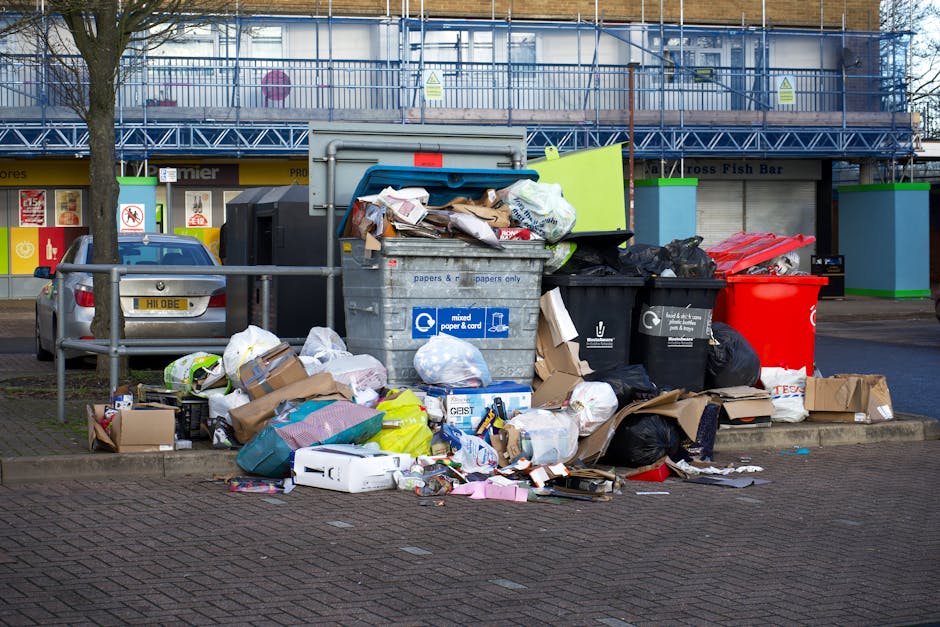
If you are comparing waste clearance quotes and the numbers seem a bit too neat, you are not alone. Hidden charges to avoid when hiring rubbish removal Chislehurst can turn a simple job into an annoying bill-shock, especially when you are already trying to clear a loft, shift builders' waste, or just get the place back under control. The good news? Most surprise costs are avoidable once you know what to look for, what to ask, and where the small print usually hides.
This guide breaks down the usual extra fees, explains how rubbish removal pricing typically works, and shows you how to compare quotes like a pro without getting bogged down in jargon. It is written for everyday homeowners, landlords, tradespeople, and small businesses in Chislehurst who want a fair price and no funny business. Simple enough. But worth reading closely.
- Why hidden charges matter
- How rubbish removal pricing usually works
- Key benefits of spotting extra fees early
- Who this advice is for
- Step-by-step guidance
- Expert tips to keep costs down
- Common mistakes to avoid
- Tools, resources and recommendations
- Law, compliance and best practice
- Options and comparison table
- Real-world example
- Practical checklist
- Conclusion
- Frequently asked questions
Why Hidden charges to avoid when hiring rubbish removal Chislehurst Matters
Rubbish removal looks straightforward on the surface: you book a collection, the waste disappears, and you move on. Yet the final bill can change quickly if the quote did not account for access issues, heavier waste, prohibited items, labour time, or recycling surcharges. In practice, that means a "cheap" offer can become the expensive one.
This matters even more in a place like Chislehurst, where homes, driveways, and commercial premises vary a lot. A terraced property with tight access is not the same as a detached house with room to manoeuvre. Nor is a light garage clear-out the same as a heavy builders' load after a weekend renovation. If a company does not ask the right questions, they may pad the bill later. If they do not explain their pricing clearly, you are left guessing. And nobody enjoys that.
There is also a trust angle. Transparent pricing usually tells you something about how the company operates overall. Clear terms, readable quotes, and honest limitations are all signs you are dealing with a proper operation rather than a "see what happens on the day" setup. In our experience, the cheapest call-out is rarely the best value unless everything is genuinely included.
Expert summary: The biggest hidden costs usually come from access, weight, restricted items, permit needs, and vague labour charges. If a quote does not spell those out, assume there is room for extras.
How Hidden charges to avoid when hiring rubbish removal Chislehurst Works
Most rubbish removal services price jobs using a mix of load size, labour, waste type, and time on site. Some companies offer a fixed quote. Others give an estimate first, then adjust after seeing the actual load. Neither model is automatically bad, but the detail matters.
Here is the usual pattern. You describe the job, send photos, or request a site visit. The provider estimates how much waste there is, what kind it is, and how long collection will take. The quote should then reflect not only removal, but also sorting, loading, transport, disposal, and recycling where applicable. If any of those elements are omitted, surprise fees can creep in.
For larger or mixed loads, services such as rubbish removal, grab hire services, or man and van may suit different situations. The right choice depends on access, volume, and how quickly you need the waste gone. A tight driveway at 8am on a wet Tuesday is a very different job from an open forecourt. Truth be told, that difference can affect price more than people expect.
Some providers also separate extra services into add-ons. For example, a quote may exclude dismantling furniture, moving waste from upstairs, bagging loose rubbish, or removing items like appliances and mattresses. Those are not necessarily unreasonable charges, but they should be disclosed early. The key is clarity, not guesswork.
Key Benefits and Practical Advantages
Being alert to hidden charges is not just about saving money on one job. It gives you better control over the whole process.
- Cleaner budgeting: You know the likely final cost before you book.
- Fewer disputes: Clear expectations reduce awkward conversations at collection time.
- Better comparison: You can compare like with like rather than comparing a headline price with a real one.
- Faster service: Good planning means fewer delays on the day.
- Better compliance: You are more likely to use a provider who handles waste lawfully and responsibly.
There is also a practical upside if you are dealing with a busy household, a rental turnover, or a construction project. Knowing the full cost helps you choose between a full removal, a skip, or a flexible collection method such as wait and load skip hire or domestic skip hire. Sometimes the cheapest-sounding option is simply the wrong tool for the job.
Who This Is For and When It Makes Sense
This advice is useful if you are:
- clearing out a house, loft, garage, or garden;
- booking post-refurbishment or builders' waste removal;
- moving office furniture or commercial waste;
- dealing with bulky items like sofas, mattresses, or appliances;
- arranging a one-off collection after tenants move out;
- comparing rubbish removal with a skip or grab service.
It also makes sense if you have a job with a few "unknowns." For example, maybe the waste is mixed, maybe there is limited parking, or maybe some items are awkward to carry. Those are the jobs where quotes can drift if the questions are vague. If you already know you need something like mattress and sofa disposal or fridge and appliance removal, say so early. It sounds obvious, but people forget all the time.
It is also worth considering whether rubbish removal is actually the best fit. For larger volumes, skip hire or grab lorry hire may be more efficient. For smaller, faster clearances, a collection team may be better. The right answer depends on the waste, access, and timescale. Not just the price at first glance.
Step-by-Step Guidance
If you want to avoid hidden charges, use a simple process before you book. It does not need to be a big project. Just a sensible one.
- List exactly what needs removing. Include bags, broken furniture, appliances, timber, soil, rubble, and anything awkward. Mixed waste often costs more than people think.
- Take clear photos. Wide shots plus close-ups help a provider estimate properly. Photos in daylight are best. No need for a perfect photo shoot, just something that shows scale.
- Check access. Note stairs, narrow gates, long walks from the kerb, parking limits, and whether items must be carried through the house.
- Ask what the quote includes. Loading, labour, disposal, recycling, VAT, waiting time, and call-out costs should all be spelled out.
- Ask what is excluded. This is where surprises hide. Restricted items, heavy loads, additional labour, same-day jobs, permits, and extra manpower should be discussed.
- Confirm the waste type. Some loads need special handling. If you are unsure, mention it. Hazardous material should never be assumed to be standard waste.
- Get the final price in writing. A message or emailed quote is far better than a vague phone promise.
If you are comparing multiple providers, keep the same job description for each one. Otherwise, you are not comparing quotes at all; you are comparing different versions of the job. That gets messy quickly. A little boring, perhaps, but very effective.
Expert Tips for Better Results
Here are the practical habits that usually save money and headaches.
Be honest about the waste volume
Underestimating the amount of waste is a classic cause of price changes. If you think it is "probably a van load," say that, but also mention the items that might make it larger. Honest estimates help the provider send the right vehicle and crew.
Separate standard waste from awkward items
Items such as fridges, mattresses, and confidential paperwork may be charged differently because they need separate handling. For business customers, services like confidential shredding or office clearance can be more appropriate than a general rubbish pickup.
Ask about minimum charges
Sometimes a provider has a minimum fee even for small jobs. That is normal enough, but you should know it in advance. Otherwise a tiny clearance can feel weirdly expensive. Been there, seen that.
Clarify labour expectations
Will the team carry waste from the kitchen, loft, or second floor? Will they dismantle items? Will they sweep up afterwards? The more difficult the job, the more likely labour is to be charged separately. Fair enough, but it needs saying.
Check time-sensitive fees
Same-day collections, evening slots, or urgent weekend work can sometimes carry a premium. If speed matters, look at same day skip hire or ask whether rapid collection is actually available for your load type. If you do not need the rush, do not pay for it.
Ask how recycling affects the bill
Recycling is usually a positive thing, but it should still be explained clearly. Good providers often sort waste responsibly through recycling and sustainability practices. That can influence cost, yet it should not appear as a vague extra after the job.
Common Mistakes to Avoid
Most extra charges are not the result of bad luck. They come from the same handful of mistakes, repeated over and over.
- Choosing the lowest headline price only. If the quote is unusually cheap, ask why.
- Not mentioning access restrictions. A long carry from the road changes the job.
- Forgetting about heavy or specialist waste. Rubble, soil, appliances, and hazardous items may be priced differently.
- Assuming permits are included. If a skip or vehicle needs to be placed on a public road, check whether skip hire permits or skip permits are relevant.
- Leaving items in awkward places. If the team has to move waste through several rooms, labour time can rise.
- Ignoring the terms and conditions. Not glamorous, I know. But it is where a lot of the detail lives.
One common mistake is assuming every provider uses the same pricing model. They do not. Some are load-based, others are item-based, and some use a mix. If you want certainty, ask for the pricing method before you book. It saves the back-and-forth later.
Tools, Resources and Recommendations
You do not need specialist tools to avoid hidden charges. A few simple habits go a long way.
- Photos: Take clear pictures of the waste from different angles.
- Room-by-room list: Useful for house clearances and loft or garage jobs.
- Access notes: Gate width, parking space, stairs, and distance to vehicle.
- Item checklist: Separate furniture, appliances, garden waste, and builders' debris.
- Written quote: Always request the final price in writing.
If you want to compare services before booking, it can help to look at a provider's wider range of waste solutions. For example, skip sizes and prices can help you understand whether a skip might be better value, while pricing and quotes may explain how estimates are structured. That context matters more than people think.
For business customers, pages like commercial skip hire and construction waste disposal are also useful if you are weighing collection methods for bigger, regular, or mixed-site jobs.
Law, Compliance, Standards, or Best Practice
Waste removal is not just about convenience. There are proper duties around how waste is collected, transported, and disposed of. In the UK, reputable operators should be able to explain what happens to your waste and how they keep it within accepted legal and environmental expectations. You do not need to quote legislation back to anyone, but you should expect basic professionalism.
Good practice usually includes:
- clear identification of what waste is being removed;
- careful handling of restricted or hazardous items;
- responsible disposal and recycling where possible;
- transparent terms on extra charges and excluded items;
- appropriate insurance and safe working methods;
- accurate customer information before collection.
If you are unsure whether a particular item is allowed, ask before booking. For example, certain items need specialist handling through hazardous waste disposal. Do not guess with chemicals, batteries, or unknown containers. That is one area where caution pays off immediately.
It is also sensible to review business policies that show how a provider handles payments, data, complaints, and safety. A company that publishes clear pages such as payment and security, insurance and safety, and complaints procedure is usually making an effort to be open, which is reassuring in itself.
Options, Methods, or Comparison Table
Not every rubbish removal job should be solved the same way. Here is a straightforward comparison to help you decide.
| Option | Best for | Typical risk of hidden charges | Watch out for |
|---|---|---|---|
| Rubbish removal | One-off clearances, bulky items, mixed loads | Medium | Labour time, access, special items, minimum fees |
| Skip hire | DIY jobs, renovations, repeated filling over time | Medium | Permit needs, overfilling, prohibited waste, size mismatch |
| Grab hire | Large loose waste, soil, rubble, awkward access | Lower if access is good | Space for the lorry, load type, quantity limits |
| Wait and load | Fast clearance where waste can be loaded quickly | Low to medium | Waiting time, loading speed, access restrictions |
| Man and van | Small to medium loads, flexible collection | Medium | Labour, travel time, item count, upstairs carry |
If you have plenty of loose waste or building debris, it may be worth looking at builders skip hire or builders waste removal. For site-wide clearances, site clearance or construction waste clearance may be a better fit. The point is not to push one method. It is to avoid paying for the wrong one.
Case Study or Real-World Example
Here is a realistic example. A homeowner in Chislehurst wants to clear an old shed, some garden bags, a broken wardrobe, and a few bits of renovation waste after replacing flooring. On the phone, the first quote sounds reasonable. But the provider has not yet asked about access, and the customer forgets to mention that the only route is through a narrow side gate with a long carry to the road.
On collection day, the team realises the job will take longer than expected. The load is also mixed with a few heavier pieces that were not mentioned at the start. The final price goes up. Not outrageously, maybe, but enough to annoy everyone involved.
Now compare that with a better version of the same job. The customer sends photos, mentions the side access, lists the heavier items, and asks whether loading time is included. The provider adjusts the quote before the job begins. The price is a little higher than the first headline figure, but the customer knows why. No surprise. No awkward discussion at the kerb.
That is the whole game, really. Hidden charges are often just unspoken assumptions. Once everything is named clearly, the risk drops fast.
Practical Checklist
Use this before you accept any rubbish removal quote in Chislehurst.
- Have I described every item that needs removing?
- Have I included photos of the waste and access route?
- Do I know whether the quote includes labour, loading, and disposal?
- Have I asked about minimum charges or call-out fees?
- Have I confirmed whether heavy, bulky, or specialist items cost extra?
- Have I checked whether permits might be needed?
- Do I know what happens if the job takes longer than expected?
- Is the final price in writing?
- Do I understand the provider's terms and conditions?
- Does the company look clear about payments, insurance, and complaints?
If you can tick most of those off, you are already ahead of many customers. Honestly, that alone can save a lot of hassle.
Get a free quote today and see how much you can save.
Conclusion
The best way to avoid hidden charges to avoid when hiring rubbish removal Chislehurst is to slow the process down just enough to ask the right questions. Check what is included, describe the job properly, confirm access, and get the quote in writing. That little bit of care tends to save both money and stress.
Whether you are clearing a house, sorting builder's waste, or just getting rid of a few bulky items, transparency matters more than a bargain headline. A fair quote is not the one that looks cheapest at first. It is the one that still feels fair when the job is done and the dust has settled.
And if you are still comparing options, use the service pages and pricing information as a guide, not a guess. That way you stay in control, which is the whole point. No drama. Just a cleaner space and one less thing to worry about.
Frequently Asked Questions
What are the most common hidden charges in rubbish removal?
The most common extras are labour for difficult access, heavy or specialist waste fees, minimum call-out charges, waiting time, and additional disposal costs for restricted items.
How can I tell if a rubbish removal quote is too cheap?
If a quote is much lower than others and the provider cannot explain what is included, it may be missing labour, disposal, VAT, or access-related costs. Ask for the breakdown.
Do I need to pay extra for stairs or long carries?
Sometimes, yes. If waste must be carried a long distance or down multiple flights of stairs, many providers charge more because the job takes longer and needs more effort.
Are mattress and appliance removals usually extra?
Often they are, because mattresses and appliances can require separate handling or disposal routes. Always mention items like fridges, washing machines, and sofas before booking.
Can rubbish removal companies charge after the job starts?
They can if the actual job differs from the description you gave, but the reason should be clear. A proper provider will explain any change before going ahead.
Is skip hire cheaper than rubbish removal?
It depends on the waste type, volume, access, and how quickly you want it gone. For some jobs, skip hire is better value; for others, a removal team is more practical.
Do I need a permit for rubbish removal?
Usually not for a standard collection, but permits can matter for skip placement or roadside work. If a skip is involved, ask about skip permits early.
What should be included in a proper quote?
A good quote should cover labour, loading, transport, disposal, any recycling or processing fees, and VAT if applicable. It should also note exclusions and extra-cost items.
How do I avoid being overcharged for builders' waste?
List the exact materials, especially rubble, soil, timber, plasterboard, and mixed debris. Builders' waste can be heavier and more complex than general rubbish, so clear description is essential.
What if I am not sure whether an item is allowed?
Ask before booking. If something may be hazardous or restricted, it is better to check than assume. A provider offering hazardous waste disposal should be able to guide you properly.
Is same-day rubbish removal more expensive?
It can be, especially if the provider has to reorganise routes or send a team urgently. If speed matters, ask directly whether a premium applies before confirming.
Where can I compare pricing and services before booking?
Start with the provider's pricing page and service pages such as pricing and quotes and what can go in a skip. Those pages usually help you understand what is included and what is not.