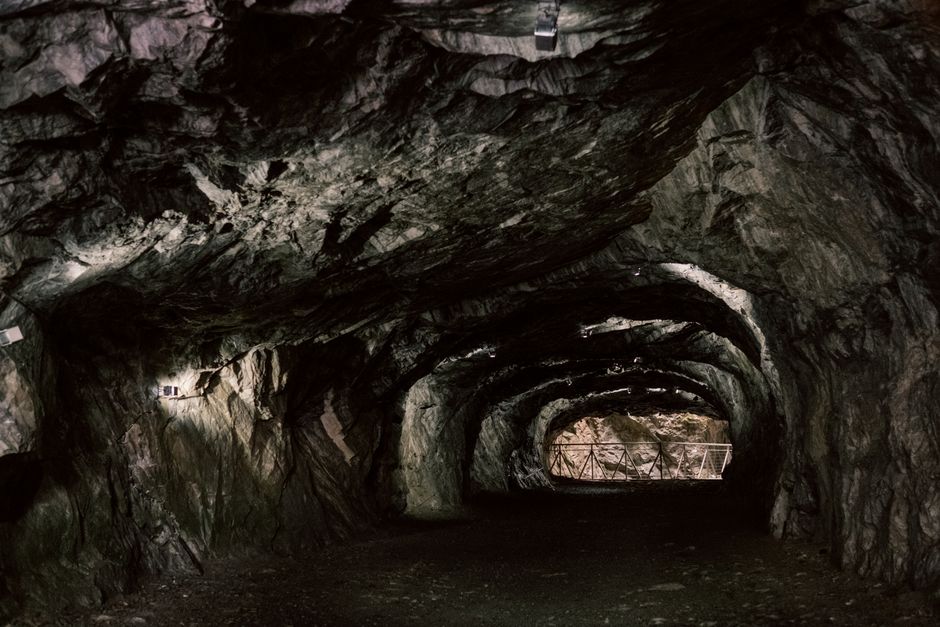
Chislehurst Caves Bulky Rubbish Clearance Case Study
If you have ever faced a pile of bulky waste that seems to grow by the hour, you will know the problem is not just volume. It is awkward lifting, tight access, mixed materials, timing, and the simple question of where everything should go next. This Chislehurst Caves bulky rubbish clearance case study looks at the kind of planning, method, and judgement needed when a clearance job has to be handled cleanly, safely, and without upsetting the day around it.
Bulky rubbish clearance is rarely a neat little task. One minute it is a few unwanted items, the next it is old furniture, broken fittings, packaging, and heavy bits that do not shift easily. Near a heritage or visitor-facing site such as Chislehurst Caves, the stakes can feel even higher because access, presentation, and disruption all matter. This article breaks down how that kind of clearance is typically approached, what options make sense, and what a sensible outcome actually looks like.
For readers comparing disposal methods, there is also practical guidance here on skip hire, rubbish removal, grab hire services, and related services that can make bulky waste easier to manage. A lot depends on what you are moving, how quickly it needs to go, and whether the site allows easy loading. Truth be told, that decision alone can save a surprising amount of hassle.
Expert summary: The best bulky rubbish clearance plan is usually the one that matches access, waste type, urgency, and disposal rules rather than simply the cheapest option on paper.
Table of Contents
- Why Chislehurst Caves bulky rubbish clearance case study Matters
- How Chislehurst Caves bulky rubbish clearance case study Works
- Key Benefits and Practical Advantages
- Who This Is For and When It Makes Sense
- Step-by-Step Guidance
- Expert Tips for Better Results
- Common Mistakes to Avoid
- Tools, Resources and Recommendations
- Law, Compliance, Standards, or Best Practice
- Options, Methods, or Comparison Table
- Case Study or Real-World Example
- Practical Checklist
- Conclusion
- Frequently Asked Questions
Why Chislehurst Caves bulky rubbish clearance case study Matters
A bulky clearance case study matters because it shows the real-world decisions behind a job that can look simple from the outside. Heavy waste does not behave like flat-packed recycling. Sofas, broken shelving, display fixtures, timber offcuts, damaged appliances, and mixed rubbish all need different handling. If the site has narrow paths, sensitive surroundings, or limited vehicle access, then planning becomes just as important as physical removal.
In a place linked with public access and local history, the margin for mess is small. No one wants waste stacked in the wrong place, lorry movements blocking walkways, or a job that drags into the afternoon because the plan was too optimistic. That is why a proper case study is useful: it shows the thinking behind the clean-up, not just the final tidy pile at the end. And let's be honest, the final tidy pile is only impressive if it was hard to get there.
This kind of example also helps local customers decide whether they need a full skip, a wait and load skip hire arrangement, a man and van style clearance, or a more straightforward skip hire setup. The right answer depends on access, weight, loading time, and whether waste can be sorted as it is removed.
For businesses, heritage venues, landlords, and homeowners, bulky rubbish can become a cost problem fast. It may block work, create safety risks, or simply make a property look neglected. Getting it out efficiently keeps projects moving. That sounds obvious, but in practice it is where many jobs go wrong.
How Chislehurst Caves bulky rubbish clearance case study Works
Bulky clearance normally starts with a site review. The team looks at what is actually there, not what someone hopes is there. That distinction matters. A "few bits of rubbish" can turn out to be a room full of damaged chairs, timber, old signage, redundant fixtures, and bags of mixed waste. If the access is tight or parking is limited, the loading method becomes a major part of the plan.
For a site like Chislehurst Caves, a sensible clearance process would usually include:
- a visual assessment of access routes and loading points
- separating bulky items from general mixed waste
- checking whether any items need special handling
- deciding between manual loading, grab collection, or a skip
- planning where waste will be taken for sorting and recycling
There is a practical logic to this. If items can be carried directly into a vehicle, a man and van service may be efficient. If there is a large, heavy pile that can be lifted from a reachable point, grab lorry hire can reduce the amount of manual work. If waste will build up over a day or two and access is stable, a skip from the skip sizes and prices range may be the most practical option.
Some clearances need a combined approach. For example, a team may remove bulky items first, then follow with smaller waste and a final sweep. That staged method often works well where a site needs to remain open, or where work has to happen between visitor periods. Small detail, big difference.
Key Benefits and Practical Advantages
The main benefit of a well-planned bulky rubbish clearance is control. You know what is leaving, when it is leaving, and how it is being handled. That gives you a cleaner site, less stress, and fewer surprises. Not glamorous, perhaps, but very useful.
- Better safety: Heavy items and awkward loads are one of the easiest ways for a clearance job to become risky.
- Less disruption: Good scheduling keeps foot traffic, staff movement, and deliveries flowing.
- Faster turnaround: The right method can clear more waste in fewer trips.
- Improved presentation: This matters a lot around public-facing sites and commercial premises.
- Clearer recycling outcomes: Sorting waste properly makes reuse and recycling more realistic.
- Reduced labour strain: The wrong method usually means more lifting than anyone wanted.
There is also a financial upside. Choosing a method that matches the waste type avoids paying for capacity you do not use, or for repeated collections because the first plan was too small. Sometimes a slightly more strategic approach costs less overall, even if the headline price is not the lowest. Funny how that works.
For readers thinking about sustainability, it is worth looking at recycling and sustainability as part of the decision rather than an afterthought. When bulky waste is sorted well, more of it can be directed away from disposal and into recovery streams.
Who This Is For and When It Makes Sense
This kind of clearance approach makes sense for a wide mix of people. Homeowners often need it after a deep declutter, an outbuilding clear-out, a move, or a renovation. Businesses use it when office furniture, stock, fixtures, or packaging starts to overrun storage space. Site managers need it after works, upgrades, or event changes. Landlords and property managers use it to get a unit back into shape between tenancies.
It is especially useful when the waste is bulky rather than simply light. Old sofas, mattresses, cabinets, appliances, broken display items, and dismantled fittings all take up more room than people expect. If you are dealing with mixed materials, that becomes even more relevant.
In our experience, people often wait too long because they think the job will be "too small for a skip" or "too awkward for a van." In reality, those awkward jobs are exactly what a proper clearance service exists for. When a property is cluttered, time-sensitive, or hard to access, the right removal method can be the difference between a smooth morning and a miserable one.
If the bulky waste includes larger domestic items, it may also help to look at specific removal pages such as mattress and sofa disposal or fridge and appliance removal. Those items can be deceptively annoying to shift safely, especially on stairs or in older buildings.
Step-by-Step Guidance
Here is a practical way to approach a bulky rubbish clearance without making it harder than it needs to be.
- Walk the site first. Identify where the waste sits, how it will leave the area, and whether there are narrow turns, low ceilings, steps, or fragile surfaces.
- Sort the waste into types. Group bulky furniture, general rubbish, timber, metal, packaging, and any special items separately if possible.
- Check for restricted items. Some waste needs special handling and should not be mixed in casually.
- Choose the removal method. Decide whether a skip, grab vehicle, wait and load arrangement, or manual clearance is best.
- Plan the timing. If the site is open to the public or staff, choose a window that reduces interruption.
- Protect the surroundings. Cover floors, avoid dragging heavy items across sensitive surfaces, and keep a clear path.
- Load efficiently. Put the heaviest items in first where relevant, then pack around them to reduce wasted space.
- Confirm disposal and recycling. Know where the waste is going and what happens to it after collection.
That sequence sounds straightforward, and it is, but it is also where the job becomes easier if you stay disciplined. Rushing the site walk, for example, is a classic mistake. It usually leads to the "Oh, we forgot that pile round the back" moment. Nobody loves that moment.
For some jobs, particularly where space is limited, wait and load skip hire can be a clever option because you avoid keeping a skip on site for longer than needed. For longer or more complex clearances, a standard skip or builders skip hire may fit better if the waste is mostly hard, heavy material.
Expert Tips for Better Results
A few small decisions can improve the whole operation. First, keep access clear. That means checking gates, doors, loading bays, and parking before the vehicle arrives. It sounds basic, but access snags are one of the most common causes of delay.
Second, do not mix waste just because it is convenient at the start. If you can separate clean timber, scrap metal, and general rubbish, you may improve the recycling outcome and reduce handling later. If you cannot separate everything, fair enough, but a little sorting usually helps.
Third, think about item size before you choose a collection method. Bulky waste can fill a skip quickly, especially when it contains furniture with lots of air space inside. A sofa looks harmless until it is in the doorway. Then it becomes a solid wall of upholstery.
Fourth, if the job involves hidden or occasional waste rather than a full visible pile, take a second look around storage areas, behind displays, and in side rooms. Small neglected zones often contain the awkward stuff. If a clearance quote is based only on what is in front of you, surprises tend to appear later.
Finally, keep communication simple. The person booking the job should know what is being removed, where it is, and whether anything is fragile or especially heavy. That one conversation can save an hour on site.
Common Mistakes to Avoid
The biggest mistake is assuming all bulky rubbish is the same. It is not. A mattress, a wardrobe, a broken fridge, and a pile of mixed renovation debris all need different handling. Treating them as one simple category can lead to space problems, compliance issues, or unnecessary cost.
Another common error is underestimating the access route. A clearance plan might look perfect until someone realises the item will not fit through a doorway, down a staircase, or into the loading bay. If that sounds familiar, you are not alone. It happens more than people admit.
Here are a few other avoidable problems:
- leaving sorting until the collection day
- choosing a vehicle or skip that is too small
- ignoring heavy items that need two-person handling
- placing waste where it blocks exits or staff movement
- forgetting to check whether a permit may be required for on-street placement
Where permits might be relevant, it is sensible to review skip hire permits or skip permits before you make a decision. A plan that works physically but fails logistically is still a problem. A boring problem, but a real one.
Tools, Resources and Recommendations
For a bulky rubbish clearance, the most useful tools are often simple: a tape measure, gloves, basic dolly or trolley equipment, protective coverings, and decent lighting in darker corners. On a site with odd layouts or older structures, those basics matter more than fancy kit.
Recommended service options depend on the job:
- Rubbish removal: best for direct collection and fast clear-outs.
- Grab hire services: useful when waste can be piled accessibly for mechanical loading.
- Skip hire: practical for ongoing or staged clearances.
- Man and van: a good fit for mixed bulky items and more flexible handling.
- Site clearance: useful where the rubbish is part of a broader tidy-up or handover.
For readers wanting to understand what is and is not suitable for a skip, the page on what can go in a skip is a sensible starting point. It helps avoid the common mistake of treating every item as equally disposable. It isn't.
If the work involves business records, confidential paperwork, or mixed office materials alongside the bulky waste, you may also need confidential shredding or a broader office clearance approach.
Law, Compliance, Standards, or Best Practice
Any clearance job in the UK should be approached with care around waste duty of care, safe handling, and proper disposal routes. I am deliberately keeping this plain-English because the details can get technical fast. The basic principle is simple: waste should be handled responsibly, transferred to an authorised person or facility, and kept separate from items that need special treatment.
Bulky rubbish often includes items that are fine in general clearance but awkward in practice. Electrical appliances, fridges, mattresses, and mixed materials can all have extra considerations. If something may be hazardous, contaminated, or unsuitable for normal disposal, it should be identified before loading begins. That is where a cautious, experienced approach matters more than speed.
From a site safety point of view, clear walkways, stable stacking, sensible lifting, and good communication are non-negotiable. If the job involves public-facing areas or staff movement, the clearance should be planned so it does not create unnecessary trip hazards or block emergency routes. That part is not glamorous either, but it is what makes the job responsible.
It is also wise to check service terms, payment arrangements, and operational details in advance. Pages such as terms and conditions, insurance and safety, and health and safety policy can help you understand how a provider works and what standards they follow. A quick read now can prevent awkwardness later.
Options, Methods, or Comparison Table
Choosing the best bulky rubbish clearance method usually comes down to access, waste volume, timing, and how much manual handling is involved. Here is a simple comparison to help narrow it down.
| Method | Best for | Strengths | Limitations |
|---|---|---|---|
| Skip hire | Staged clearances, building waste, mixed bulky items | Flexible, familiar, useful for larger volumes | Needs space and may need a permit |
| Wait and load | Sites with limited on-street or front-of-property space | Fast, no long-term skip placement | Requires quick loading and good timing |
| Grab lorry | Accessible piles of heavy waste | Efficient for bulk and awkward loads | Needs reach and suitable stacking point |
| Man and van | Smaller, mixed, or item-based clearances | Flexible and often less disruptive | Less ideal for very large volumes |
| Site clearance | Broader tidy-up or handover jobs | Comprehensive and practical | Can be overkill for small one-off items |
There is no universal winner. That is the honest answer. If access is awkward, a mechanical method may actually be worse than a simple two-person manual lift. If the pile is huge but easy to reach, a grab lorry may be excellent. So the right move is to match the method to the site, not the other way around.
For more detail on pricing and planning, pricing and quotes and payment and security are sensible pages to review before booking. Nobody likes awkward surprise charges. Absolutely nobody.
Case Study or Real-World Example
Let's look at a realistic example. A local visitor-facing site in the Chislehurst area needs to clear a mix of bulky rubbish after a storage and display area has been emptied. The waste includes broken shelving, damaged seating, flat-pack packaging, a few old fittings, and some heavier general rubbish. The access route is not ideal: there are narrow turns, limited waiting space, and a need to keep the surrounding area tidy during opening hours.
In that situation, the first task is not removal. It is planning. The site team identifies what can be moved safely by hand, what needs two-person handling, and what should not be dragged over floors. A collection method is chosen that reduces the time waste spends on site. The team also checks whether the pile can be reduced through sorting before collection, because bulky items can waste capacity if they are thrown in randomly.
For this sort of job, a wait and load skip hire approach could work if the waste is ready to go and access is too limited for a long placement. If the waste is spread across the site and needs more flexibility, rubbish removal or a man and van style collection may be cleaner and easier. If the waste volume is larger and a compliant placement is possible, then standard skip hire could be the better long-form solution.
The best part of a well-run example like this is the calm ending. The area is left usable, the waste is gone in one controlled flow, and the staff can get back to the day's actual work. No drama. No last-minute improvisation with broken furniture and a borrowed trolley. Just a tidy result.
Practical Checklist
Use this checklist before booking or starting a bulky clearance job.
- Walk the site and note access limitations
- List the bulky items and estimate how many there are
- Separate anything that may need special handling
- Decide whether the waste is best suited to skip, grab, van, or wait and load
- Check whether parking, access, or permit issues could affect the plan
- Protect floors, walls, and entrances where heavy items will move
- Confirm the timing so the clearance does not interrupt the site unnecessarily
- Ask where the waste will go after collection
- Review service terms, payment details, and safety expectations
- Keep a final sweep time at the end for small leftover bits
If you are unsure, it is usually better to over-prepare slightly than to discover a problem after the vehicle has arrived. A fifteen-minute check can save a two-hour headache. That is not an exaggeration.
Conclusion
Chislehurst Caves bulky rubbish clearance is a useful case study because it highlights the real decisions behind a successful removal job: access, timing, waste type, safety, and the right collection method. Once those are handled properly, the rest becomes much easier. The site stays tidy, the waste leaves efficiently, and the pressure drops almost immediately.
Whether you are dealing with a one-off bulky pile, a mixed site clean-up, or a more complex clearance with awkward access, the smartest move is to plan around the site rather than forcing the site to fit the plan. That is usually where the savings are, and where the stress disappears too.
If you are comparing clearance options, reviewing the details on domestic skip hire, commercial skip hire, or builders waste removal can help you narrow the best route for your property or project.
Get a free quote today and see how much you can save.
Sometimes the best clearance outcome is the one you barely have to think about once it is done. Quiet, clean, sorted. Lovely, really.
Frequently Asked Questions
What does bulky rubbish clearance usually include?
Bulky rubbish clearance usually covers large or awkward waste items such as furniture, broken fittings, shelving, mattresses, appliances, and mixed household or commercial rubbish. The exact scope depends on the job, but the aim is the same: remove items that are too large or inconvenient for normal bins.
Is bulky rubbish clearance better than hiring a skip?
It depends on access, volume, and how quickly you need the waste gone. Skip hire works well for ongoing or larger jobs, while direct rubbish removal can be better for one-off bulky items or sites with limited space. If you are unsure, comparing both options is sensible.
When is wait and load a good idea?
Wait and load is useful when there is not enough space to keep a skip on site or when waste can be loaded quickly in one visit. It often suits tighter sites, public-facing areas, and situations where you want to avoid a long on-road placement.
Can I mix different types of bulky waste together?
Sometimes yes, but not always. Mixed waste is common, yet certain items may need separate handling. Appliances, confidential materials, and anything potentially hazardous should be identified before loading. A little sorting at the start usually makes the whole process easier.
Do I need a permit for bulky waste removal?
You normally do not need a permit for direct rubbish removal, but a permit may be needed if a skip is placed on a public road. It is worth checking the practical details before booking, especially if space outside the property is limited.
How do I know what size solution I need?
Start by estimating how much waste there is and how bulky it is rather than just how heavy it feels. A sofa, mattress, or wardrobe can take up more room than expected. If the load is awkwardly shaped, it may need more capacity than you first think.
What happens to the waste after it is collected?
Collected waste is typically taken to a transfer or processing facility where it can be sorted, with recyclable materials separated where possible. The exact handling depends on the waste type and the service used, but responsible disposal should always be part of the process.
Is bulky rubbish clearance suitable for commercial premises?
Yes. Offices, shops, hospitality sites, and visitor venues often need bulky waste cleared when layouts change, stock is replaced, or old furniture is removed. Commercial sites usually benefit from careful timing and a collection method that reduces disruption.
What if my bulky items are hard to move?
If items are heavy, awkward, or located in a tricky spot, choose a service that can handle manual lifting safely. This is where a planned approach matters. Sometimes a two-person collection is better than trying to force a vehicle-based method that does not fit the site.
How can I keep clearance costs under control?
Sort waste before collection, choose the right service for the access conditions, and avoid overfilling or multiple failed attempts. Getting the method right first time is often the biggest cost saver. It sounds simple, but it really is one of the main levers you can control.
What should I check before booking a clearance?
Check access, waste type, timing, permit implications, safety concerns, and whether any items need special treatment. You should also look at the service provider's terms, safety approach, and payment information so the booking runs smoothly.
Can bulky rubbish clearance be part of a wider site clearance?
Absolutely. In many cases, bulky waste is just one part of a broader tidy-up. If the space needs a full reset, combining the work with a wider site clearance plan can be more efficient than handling items one by one.